Inflammation
Inflammation is your body’s response to illness, injury, or foreign substances
(like germs or toxins). It’s a normal process that allows healing.
Acute Inflammation:
Characteristics: Sudden, temporary response to injury or illness.
Signs: Flushed skin, pain, swelling, and heat.
Examples: Throat inflammation due to strep throat or flu-related
inflammation.
Chronic Inflammation:
Characteristics: Persistent, long-lasting inflammation even when there’s no
danger.
Examples: Rheumatoid arthritis, where joint tissues are attacked, causing
severe damage.
Effects of Chronic Inflammation:
Pain, swelling, stiffness, and joint damage (inflammatory arthritis).
Cartilage, bone, tendon, and ligament irritation.
Nerve sensitivity.
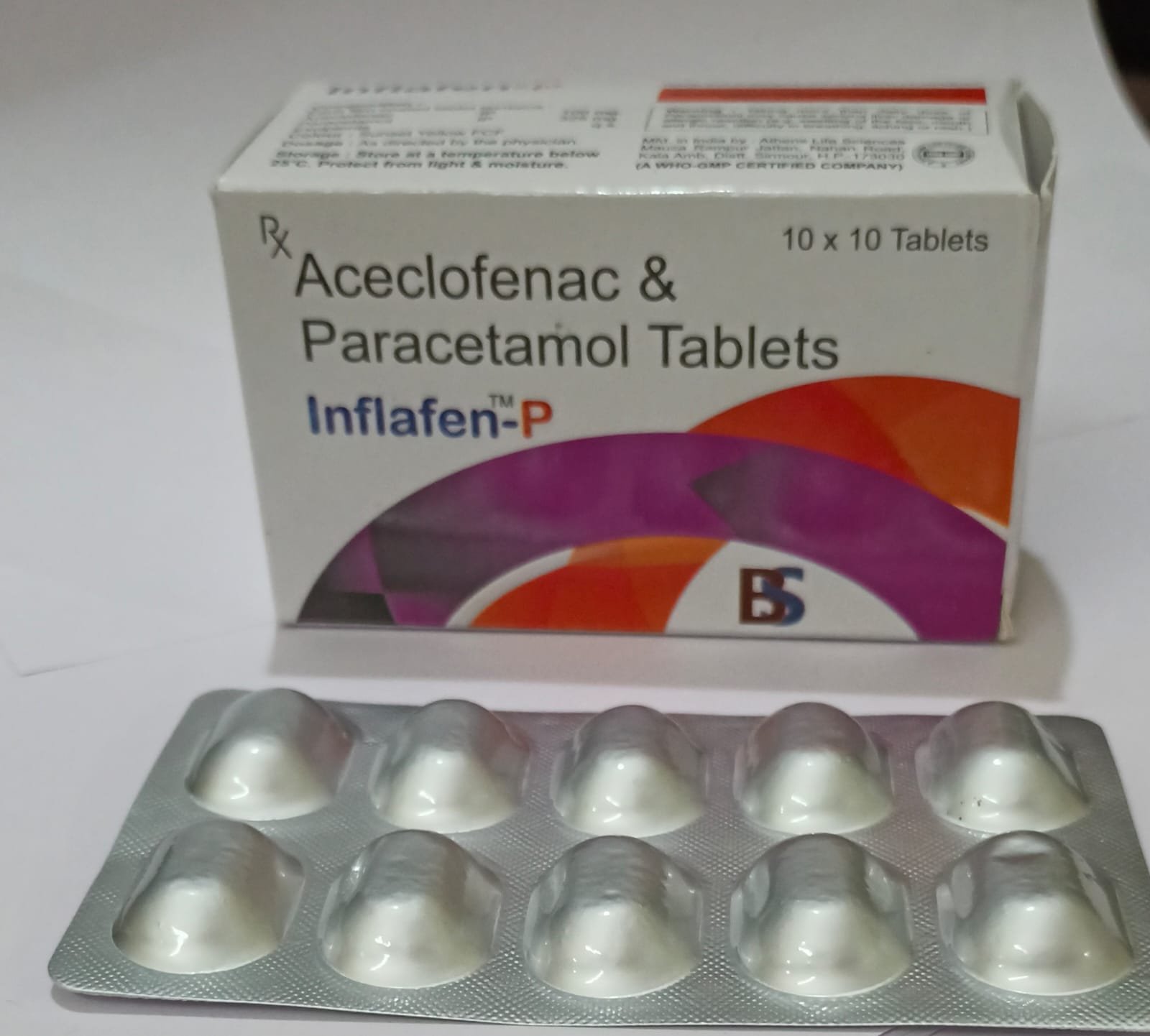
INFLAFE
N-P
Remember, inflammation can be both a healer and a troublemaker. If you
experience persistent symptoms, seek medical evaluation
Chronic pain is persistent pain lasting for over three months. It can affect
various parts of your body and interfere with daily activities, leading to
depression and anxiety.
Here are some key points about managing chronic pain:
Treatment Approaches:
Medications: Over-the-counter (OTC) and prescription drugs are
commonly used. These include non-opioids (like acetaminophen and
ibuprofen) and opioids (such as morphine and hydrocodone).
Physical Therapy: Exercises and techniques to improve mobility, strength,
and pain relief.
Acupuncture: An alternative therapy involving fine needles to stimulate
specific points on the body.
Relaxation Techniques: Practices like deep breathing, meditation, and
progressive muscle relaxation.
Psychological Counseling: Addressing emotional factors that impact pain
perception.
Multidisciplinary Approach:
Combining different treatments for comprehensive pain management.
Outpatient pain management programs may be helpful.